
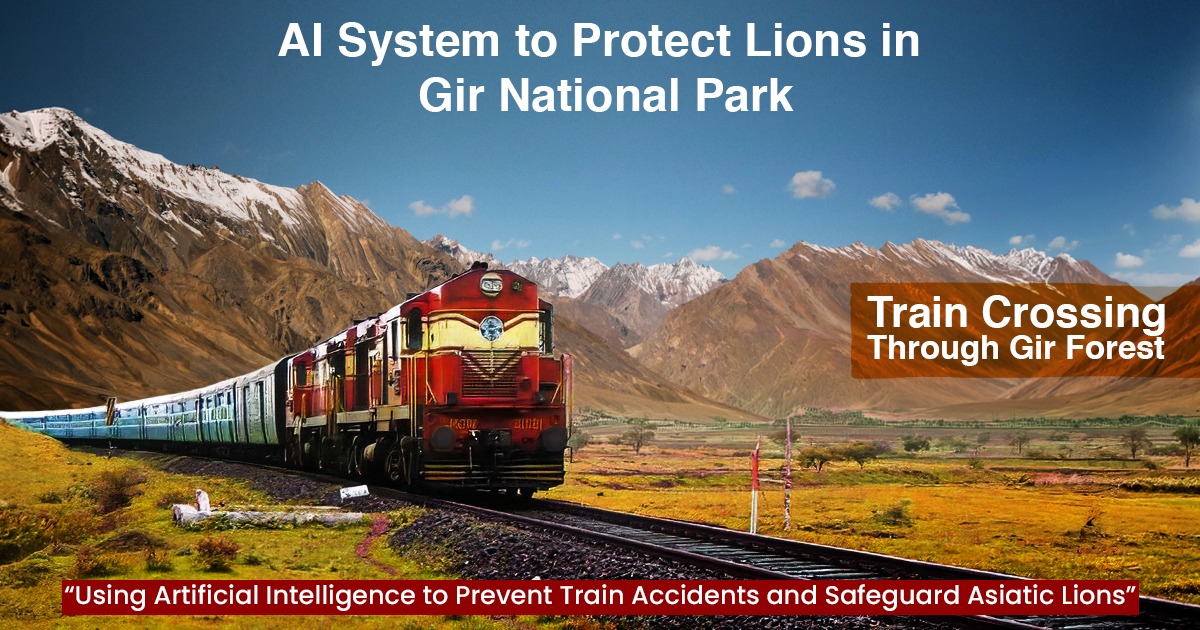
AI System To Protect Lions In Gir National Park
Gir National Park
Gir online booking
AI Intrusion Detection System
- Date : February 26, 2026
Gir National Park is in Gujarat, India. It is one of the most important wildlife areas in India and in the world. This park is famous because it is the only place where Asiatic lions live freely in nature. These lions do not live naturally in any other country or forest. Therefore, protecting them is very important at the national and international levels.
Both the Government of India and the Government of Gujarat focus strongly on conservation here. Every year, many steps are taken to keep lions and other animals safe. The park includes forests, grasslands, rivers, small water bodies, hills, and protected zones. A railway line also passes through parts of this area. Lions move freely, so accidents can happen. To solve this problem, India approved a modern AI system.
Railway Line Inside Gir Forest Area
The railway line involved in this safety project runs through the forest area of Gir National Park and the Gir Lion Wildlife Sanctuary. This railway line is part of the old Metre Gauge railway network. Although the railway line is old, it continues to operate and carries both passengers and goods in the area.
This railway track goes through areas where lions live, sleep, and move every day. Lions often cross the railway tracks while searching for food, water, shelter, or new territory. Their movement is natural and not controlled by human boundaries such as railway lines or roads. Because of this, lions are often seen near or directly on the railway tracks.
Train movement through forest areas increases the risk of wildlife accidents. This risk becomes even higher at night, during fog, or in the rainy season. During these times, visibility is very low. Train drivers may not see lions on the track from a safe distance. At the same time, lions do not understand the speed or danger of a moving train.
Because trains & lions share the same land, proper safety planning is necessary. Protecting lions while allowing trains to run smoothly has always been a challenge in Gir National Park. This is why Indian Railways and forest authorities use both traditional safety methods and modern technology together.
Existing Safety Steps By Indian Railways
Indian Railways has taken several measures to protect lions and other wildlife in Gir. One of the most important safety steps is speed control. Trains are required to move at a limited speed in areas where lion movement is common. These areas are clearly identified and marked as lion corridors.
By reducing the speed of trains in sensitive zones, the chances of accidents are reduced. Slower speed gives train drivers more time to react if an animal is seen on or near the track. This safety step has helped improve protection for lions, but it cannot fully eliminate the risk.
Indian Railways has also built two special lion underpasses. These underpasses allow lions to cross under the railway tracks safely. Lions can move from one side of the forest to the other without coming close to trains. The location of these underpasses is selected based on lion movement patterns & expert advice.
In addition to the two existing underpasses, work has already started on five more lion underpasses. Once completed, these new structures will give lions safer crossing points. This will reduce the need for lions to walk on railway tracks and lower the risk of accidents.
Even after building underpasses and controlling speed, authorities understand that physical structures alone are not enough. This understanding has led to the use of artificial intelligence to add an extra layer of safety inside Gir National Park.
AI-Based Intrusion Detection System For Lions
A major new step in lion protection is the approval of an Artificial Intelligence-based Intrusion Detection System. This system is created to identify lions near railway lines and stop accidents before they occur.
The AI-based system will be installed along a 115-kilometer railway section. This railway stretch is located between Damnagar and Pipavav. It comes under the Bhavnagar Division of Western Railway. The entire section lies within the protected area of Gir National Park and the Gir Lion Wildlife Sanctuary.
The main goal of this AI system is to continuously monitor areas near the railway tracks. This system works as an extra safety step together with speed limits and underpasses for animals. By using advanced technology, the system focuses on preventing accidents rather than reacting after damage has occurred.
The approval of this system clearly shows the government’s serious approach toward wildlife protection. Using artificial intelligence for lion safety is an important step in balancing development and conservation in Gir National Park.
How The AI System Will Work
The AI Intrusion Detection System will work 24 hours a day without any breaks. It will watch the railway track and nearby forest areas through cameras, sensors, and smart software. The system is specially trained to identify lions & understand their movement.
If a lion or a group of lions comes near the railway line, the system will quickly recognize their presence. After detection, it will immediately send warning messages. These alerts will reach loco pilots, station masters, & the railway control room at the same time.
Once the message is received, the train driver can slow down or stop the train if required. This fast action can protect lions & avoid major accidents. The system is very helpful at night and in bad weather when people cannot see clearly, improving safety in Gir National Park.
Coordination Between Railways & The Forest Department
Close cooperation between Indian Railways and the Forest Department supports this safety plan. Both departments work together to ensure that all safety measures are properly applied and regularly checked.
This coordination is managed through three review committees. The circle-level committee manages policies & future plans. The divisional-level committee handles operational issues & railway management. The range-level committee handles field issues and forest monitoring.
These committees meet regularly. Circle-level committees meet every three months. Divisional-level committees meet every two months. Range-level committees meet every month. During meetings, officials check lion movement, trains, & the safety system functioning.
Any problems or risks are identified early, and solutions are implemented quickly. This regular monitoring helps keep safety measures effective over time.
This strong coordination also supports tourism activities. Visitors making Gir online booking for safaris can trust that lion safety is carefully maintained. Protecting lions helps maintain the natural balance of Gir National Park and ensures that future generations can continue to experience its wildlife, supported through Gir online bookings
Related Post:
Recent Posts
-

Rakul Preet Singh Gir Safari Video Explained
May 14, 2026 -
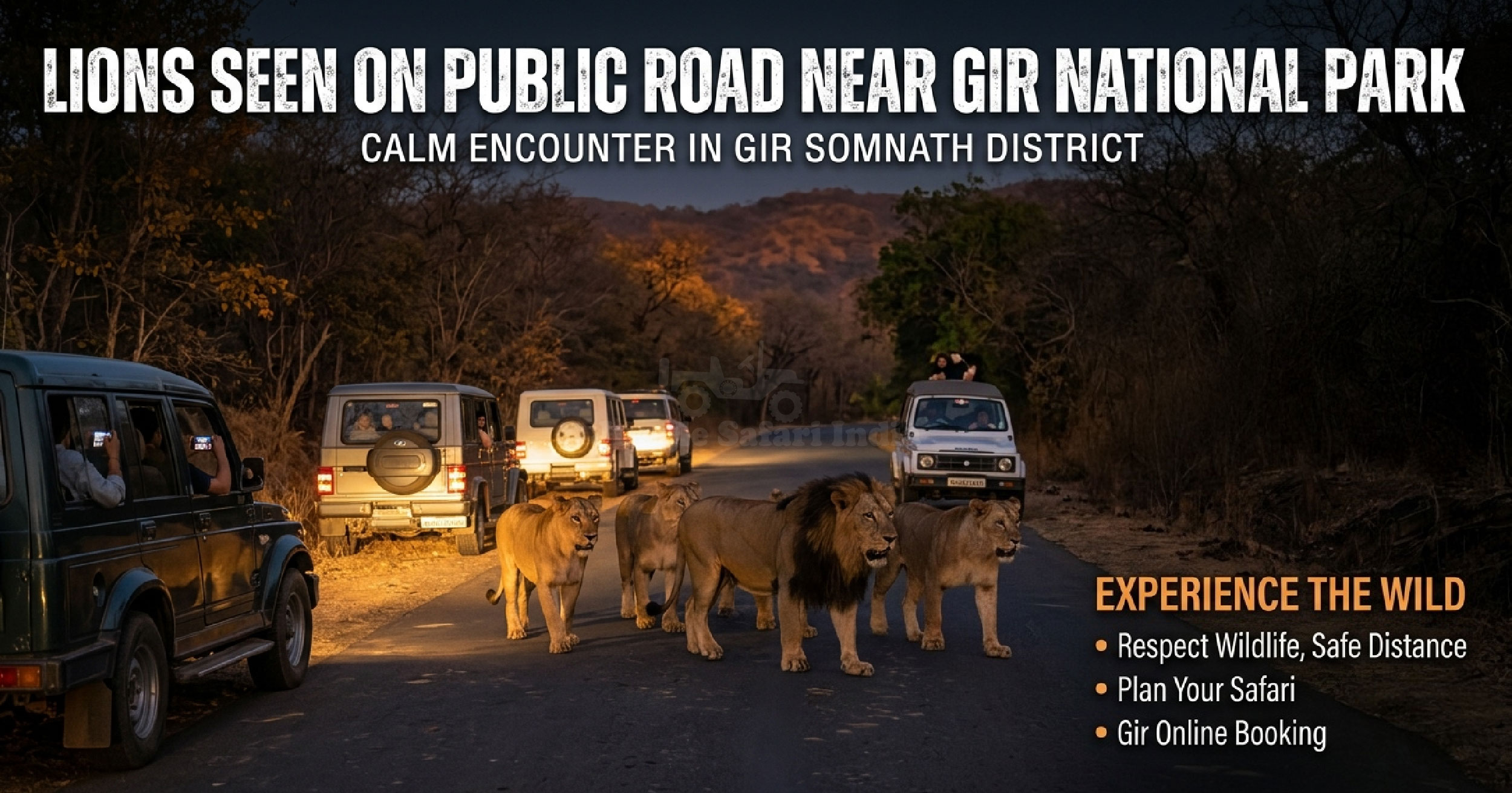
Lions Seen On Road Near Gir National Park
April 23, 2026 -
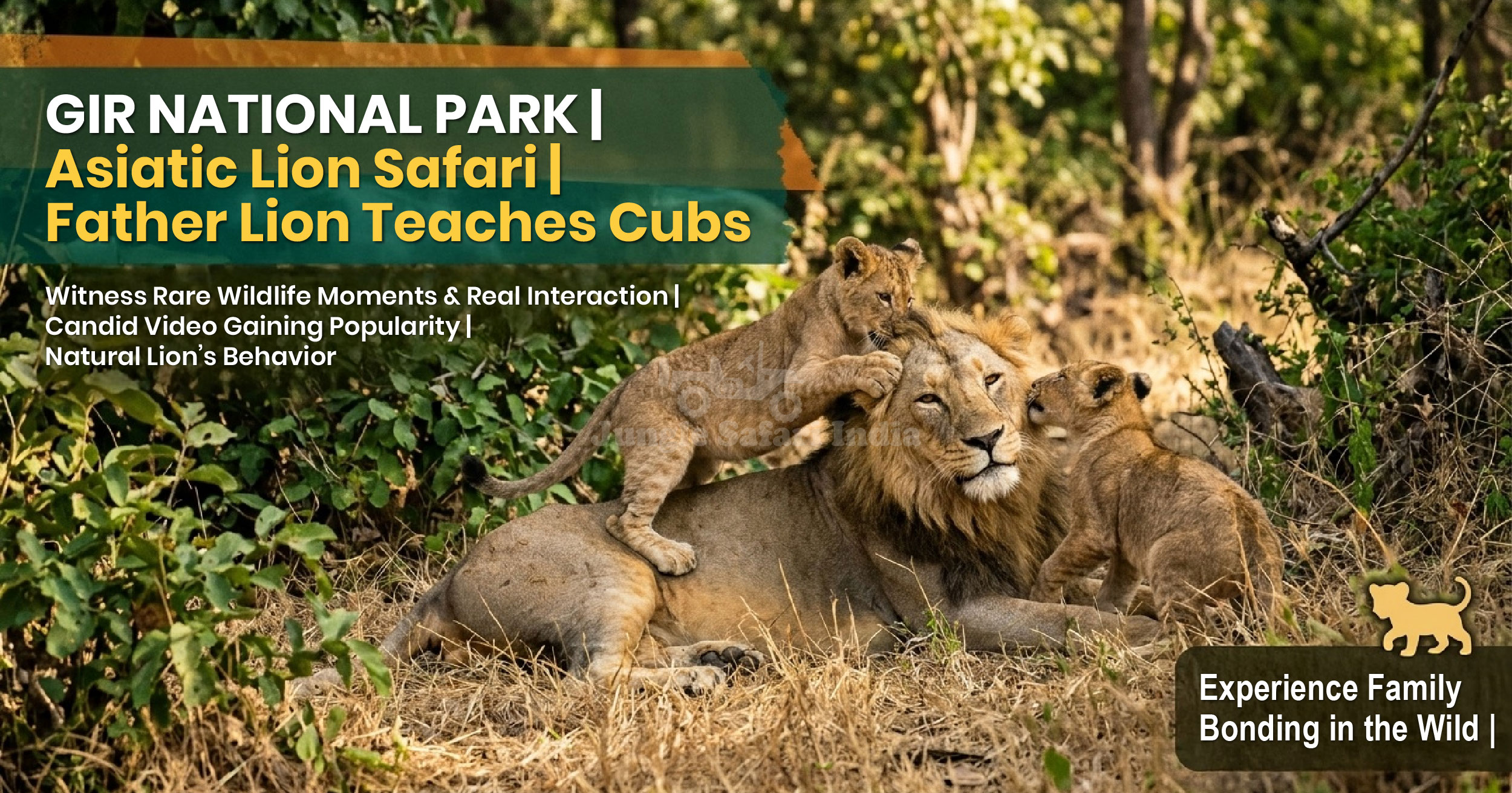
Father Lion Teaches Cubs In Gir National Park
April 16, 2026 -
New Resort Near Gir National Park By Ramee Group
April 09, 2026
(0) Comments: